Power, water outages disrupt daily life across Iran
File photo shows residents queue with containers to collect water from a public distribution point in the central Iranian city of Yazd amid water cuts.
Daily electricity and water outages disrupted life across Iran as summer began, with residents blaming years of underinvestment and deteriorating infrastructure despite officials citing rising demand and shrinking water supplies.
Messages sent to Iran International from residents in Khuzestan, Ilam, Lorestan, East Azarbaijan, Alborz, Tehran and other provinces described hours-long daily power cuts and recurring water shortages that began with the onset of summer.
The reports come as much of Iran experiences extreme heat, placing additional strain on the country's aging electricity and water networks.
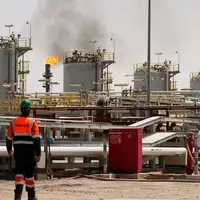
A resident of Khuzestan, one of Iran's main electricity-producing provinces, said scheduled power cuts had resumed despite the province generating far more electricity than it consumes.
"On the first day of summer, with temperatures above 50 degrees Celsius, they started cutting electricity again in a province that produces twice its own needs."
Residents in Ilam province also reported electricity outages lasting up to four hours as temperatures reached 46 degrees Celsius. One warned that if the blackouts continue, authorities would face "angry and protesting people."
In Pardis, east of Tehran, a resident of a 14-story apartment building said electricity was cut for four hours during the day, leaving elevators out of service.
"How are we supposed to climb all these stairs?"
Others said the loss of elevator access posed particular difficulties for elderly residents and families with young children.
Water shortages deepen disruption
Citizens also reported prolonged water outages, which they said often coincided with electricity cuts because pumping stations stopped operating.
Mehdi Masaeli, secretary of Iran's Electricity Industry Syndicate, said last year that water supplies are interrupted when electricity fails because pumps stop working.
Residents in Boumehen near Tehran said they had access to running water on only two days during the previous week, and then only for a few hours.
"We have a sick person at home. We no longer know who to turn to."
People from Shahriar and Qods, west of Tehran, also described prolonged water cuts, with some saying supplies were unavailable from mid-afternoon until early the following morning. Several said repeated calls to the local water utility produced only tracking numbers and recorded messages.
"Water is a basic necessity, not a luxury service."
Officials have cited falling reservoir levels, declining rainfall and rising consumption as the main causes of the shortages. Many people, however, said authorities were blaming consumers instead of addressing years of underinvestment and poor management.
File photo shows residents lining up with containers to collect water from a tanker truck during water shortages in Iran.
One message from Ilam province said the city of Shabab had gone without running water for three consecutive days.
Some also compared the shortages with recent warnings about attacks on infrastructure.
"There was no need for anyone to attack the energy infrastructure," one citizen wrote. "Government inefficiency has taken our water away and pushed us back to the Stone Age. We carry water home in containers."
Higher bills, aging infrastructure
People also complained that utility bills had increased even as services deteriorated.
A resident in Zanjan said electricity and water tariffs had quietly risen just as power cuts resumed. In Ahvaz, people reported sharply higher water bills, with one saying many families could no longer afford to pay them and that local authorities were unwilling to offer installment plans.
Energy experts have long warned that Iran's electricity and water systems suffer from years of inadequate investment in power generation, transmission networks and water infrastructure.
They say authorities have repeatedly relied on rotating blackouts and water restrictions to manage seasonal shortages rather than addressing the underlying causes, leaving households increasingly vulnerable during periods of extreme heat.