• العربية
  • فارسی
Brand
  • Iran Insight
  • Politics
  • Economy
  • Analysis
  • Special Report
  • Opinion
  • Podcast
  • Iran Insight
  • Politics
  • Economy
  • Analysis
  • Special Report
  • Opinion
  • Podcast
  • Theme
  • Language
    • العربية
    • فارسی
  • Iran Insight
  • Politics
  • Economy
  • Analysis
  • Special Report
  • Opinion
  • Podcast
All rights reserved for Volant Media UK Limited
volant media logo

Iran’s president says gasoline price hike inevitable, warns of social risks

Oct 23, 2025, 11:12 GMT+1Updated: 00:08 GMT+0
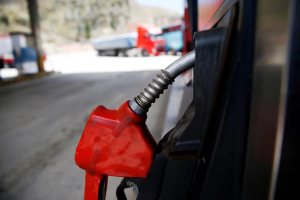
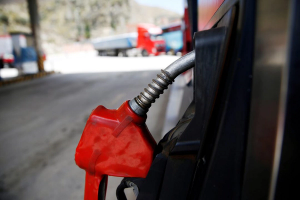
A man refuels his car at a gas station in Iran, watching the pump meter display the rising cost.

Iranian President Masoud Pezeshkian said on Thursday there is no doubt that gasoline prices must rise, signaling that long-anticipated fuel reforms are moving closer despite fears of renewed public unrest.

Speaking during a visit to West Azarbaijan province, Pezeshkian acknowledged that raising fuel prices is unavoidable to address Iran’s worsening energy shortages but cautioned that any decision would require “careful planning” to avoid deepening economic hardship.

“There is no question that gasoline must become more expensive,” he said, according to state media. “But it is not a simple decision. We cannot act overnight or create more difficulties for people.”

His comments came amid intensifying debate over Tehran’s plans to introduce a new pricing system aimed at curbing soaring fuel consumption and smuggling.

Over the past two weeks, Iranian media have reported that the government is reviewing several reform scenarios, including multiple pricing tiers and possible changes to fuel quotas.

Last week, Khaneh Eghtesad published what it said was a leaked cabinet decree outlining a roadmap for “gradual correction” of gasoline prices. The government initially denied the report but later confirmed that the issue was under study by cabinet working groups.

Cabinet secretary Kamal Taghavi-Nejad said this week that fuel reform had been discussed but “no final decision” had been taken. A lawmaker, Amirhossein Sabeti, said the debate over introducing three fuel price tiers had become serious in parliament.

Energy officials say domestic gasoline consumption has surged well beyond refining capacity, forcing costly imports and draining subsidies that analysts estimate at more than $30 billion annually.

Pezeshkian has pledged to overhaul Iran’s energy subsidy system, arguing that maintaining the current artificially low prices is unsustainable. “Even water costs more than gasoline in Iran,” he said earlier this week.

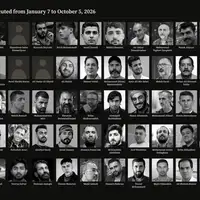
The last major fuel price hike in November 2019 sparked nationwide protests that were met with a violent crackdown. Rights groups and Reuters reported that at least 1,500 people were killed.

Officials have since stressed that any future reform would be gradual and paired with compensation measures for low-income households. The administration insists it will not repeat the sudden price shock of 2019.

Economists warn that aligning prices with real production costs could sharply raise inflation but may also help reduce smuggling and waste. The government is expected to unveil its energy reform framework before submitting next year’s budget in December.

Most Viewed

US imposes new Iran sanctions as officials say Hormuz deal is near
1

US imposes new Iran sanctions as officials say Hormuz deal is near

2
PODCAST

Ending Iran war could expose regime to its greatest threat yet, experts say

3

Mecca pact ties three Sunni powers together as Iran-backed attacks loom

4
INSIGHT

Iran moves to ratify Caspian Sea pact with seabed rights still unsettled

5

Cleric summoned after calling to replace Islamic Republic with ‘Islamic government’

Banner
Banner
Banner

Spotlight

  • Iran’s reality TV boom abroad captures a generation in limbo
    ANALYSIS

    Iran’s reality TV boom abroad captures a generation in limbo

  • What the Islamic Republic does to its women footballers
    ANALYSIS

    What the Islamic Republic does to its women footballers

  • Iran moves to ratify Caspian Sea pact with seabed rights still unsettled
    INSIGHT

    Iran moves to ratify Caspian Sea pact with seabed rights still unsettled

  • Ending Iran war could expose regime to its greatest threat yet, experts say
    PODCAST

    Ending Iran war could expose regime to its greatest threat yet, experts say

  • US miscalculated Iran’s resilience and hurt deal prospects, expert says
    ANALYSIS

    US miscalculated Iran’s resilience and hurt deal prospects, expert says

  • What the Pentagon learned from the Iran war
    INSIGHT

    What the Pentagon learned from the Iran war

  • Iran gearing up for gasoline price hike despite risk of domestic backlash

    Iran gearing up for gasoline price hike despite risk of domestic backlash

  • Iran faces rising risk of unrest as UN sanctions deepen economic strain - Reuters

    Iran faces rising risk of unrest as UN sanctions deepen economic strain - Reuters

  • Government denies new fuel price plan after leak of decree on gasoline reform

    Government denies new fuel price plan after leak of decree on gasoline reform

  • Iran MP warns of four-fold gasoline price rise amid fuel reform debate

    Iran MP warns of four-fold gasoline price rise amid fuel reform debate