Government denies new fuel price plan after leak of decree on gasoline reform
Iran’s government denied reports that it plans to raise gasoline prices after the leak of a cabinet decree outlining a new pricing framework, which appeared on the website Khaneh Eghtesad and triggered widespread criticism and concern on social media.
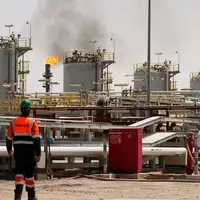
The report said the directive, approved by the cabinet on September 18 and issued on October 5, sets out a roadmap to gradually increase gasoline prices and restructure fuel subsidies. The plan would widen the price gap between gasoline and compressed natural gas to encourage drivers to switch to gas-powered vehicles.
It also mandates new consumption quotas and introduces multiple pricing tiers, meaning fuel purchases beyond the allotted share would be charged at a higher rate. Consumers would additionally bear the costs of transportation and fuel station commissions, while prices would rise annually in line with inflation. The directive says that next year, gasoline allocations will be granted in monetary value rather than volume.
Hours after the publication, Ali Ahmadnia, head of the government’s information office, denied any decision to increase fuel prices, calling the report inaccurate.
“The issue of revising fuel prices may arise in the next year’s budget,” Reza Sepahvand, a member of parliament’s energy committee, said on October 10. “Real cost of producing and importing gasoline, electricity, and gas is far higher than current retail prices, and maintaining this gap places a growing financial burden on the state,” he added.
President Masoud Pezeshkian has previously proposed reducing fuel subsidies for high-consuming households and redirecting the savings toward low-income groups. Similar pledges during past price hikes were never fulfilled.
Parliament Speaker Mohammad Bagher Ghalibaf also said last month that the government sells gasoline “at a price far below its supply cost,” adding that “continuing this situation is not in the country’s economic interest.”
Public backlash over leaked plan
The Khaneh Eghtesad report prompted a surge of online criticism, with many Iranians expressing fear that a price hike would worsen inflation and disproportionately affect poorer citizens.
One user on X, identified as Hadi Zarei, wrote: “According to the new government decree, gasoline will also become more expensive — adjusted to inflation. Apparently, the only thing unrelated to inflation is workers’ wages, which barely rise 20% a year.”
“Not only will gasoline prices go up, but consumers will also pay the transport and delivery costs to fuel stations,” another user, Mahbod, commented.
The controversy followed weeks of official debate over rising fuel consumption, environmental damage, and the financial strain of subsidies. State media, however, largely avoided discussing the inflationary impact of a potential price rise.
Several users also pointed to the irony of the government’s reported fuel reform while pledging to send free fuel to Lebanon — a reference to comments by Iran’s ambassador in Beirut, Mojtaba Amani, who said on October 10 that Tehran had offered Lebanon free fuel shipments, which Beirut declined.
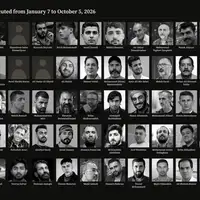
Iran’s last major gasoline price increase in November 2019 triggered nationwide protests that were met with a violent crackdown, leaving at least 1,500 people dead and thousands detained, according to rights groups.