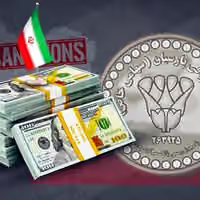
Iran’s oil and petroleum product revenues jumped 16 percent to almost $66 billion in the fiscal year ending March 2025, according to Central Bank data—triple the level of 2020, the last year of US President Donald Trump’s first term.
Roughly one-third of this income now comes from petroleum products such as naphtha and liquefied petroleum gas (LPG).
Data from data analytics platform Kpler reviewed by Iran International shows LPG exports have nearly doubled since pre-2018 sanctions levels, while naphtha shipments have more than tripled since 2021.
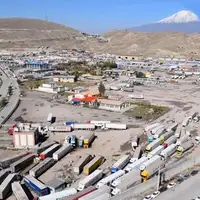
Unlike crude, which is almost entirely sold to China, Iran’s petroleum products reach a wider mix of buyers, led by the United Arab Emirates and China but also including Malaysia, Singapore, India, Pakistan and Indonesia.
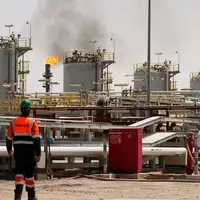
Plumes for cash
The surge in naphtha and LPG exports stems from a policy shift: Tehran has ramped up domestic consumption of mazut fuel oils, one of the dirtiest fuels, while freeing up cleaner, higher-value products for sale abroad.
A confidential Oil Ministry document obtained by Iran International shows refinery output has barely grown—domestic processing of crude and condensates rose only 7 percent since 2021.
Instead, daily mazut use has jumped 57 percent while exports have fallen nearly 40 percent.
Together, exports of naphtha, LPG and mazut now exceed 700,000 barrels per day. Added to 1.45 million barrels of crude and condensate, this shows how central petroleum products have become, accounting for about one-third of Iran’s oil revenues.
In effect, Tehran is burning more of its dirty, low-value fuel at home to free up cleaner, higher-value fuels for export.
Health hazard
Iran’s mazut contains about 3.5 percent sulfur—seven times the International Maritime Organization’s standard—leaving it with few export markets.
Burning it domestically has worsened air pollution: Tehran recorded only seven clean-air days last year and just six so far this year, while schools and offices in several provinces were forced to shut during smog episodes.
Last year alone, hundreds were hospitalized with respiratory and cardiovascular illnesses linked to severe smog.
Health officials estimate tens of thousands of deaths each year from pollution.
In December 2024, Health Minister Mohammadreza Zafarghandi put the toll at 40,000, while parliament’s Environment Committee cited 30,000 deaths in 2023—both underscoring the steep human cost of Tehran’s strategy: exporting cleaner fuels for hard currency while consuming dirtier ones at home.