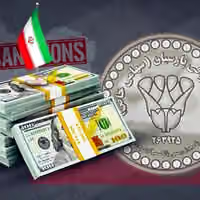
The US Treasury Department revoked the June 21 general license that had allowed the production, delivery and sale of Iranian-origin crude oil and petroleum products, reversing a rare sanctions relief measure at the center of Washington’s negotiations with Tehran.
OFAC said the new license, effective July 7, allows existing transactions to be wound down until July 17 but bars new purchases or loading of Iranian-origin crude oil and petroleum products from Tuesday.
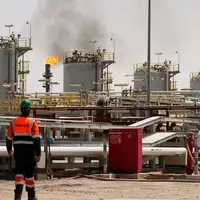
For Tehran, the 60-day license was more than a technical waiver. It briefly reopened a channel to international oil markets after decades of US pressure on Iran’s energy exports, allowing sales including to China as Washington tried to keep diplomacy alive.
The move came hours after the United Kingdom Maritime Trade Operations (UKMTO) said three tankers were attacked near the Strait of Hormuz on Tuesday, prompting the regional maritime threat level to be raised to “severe.”
A US official said Iran’s actions in the Strait of Hormuz were “wholly unacceptable” to the United States and would be met with consequences, Reuters reported Tuesday.
Among the vessels targeted was the Qatari tanker Al Rakayat, which Doha said was attacked while transiting near the Strait of Hormuz. Qatar summoned Iran’s charge d’affaires in Doha to protest the targeting of the tanker.
In response, Iranian Foreign Ministry spokesperson Esmaeil Baghaei urged Qatar to “avoid any action” that would contradict the memorandum of understanding between Tehran and Washington.
Baghaei said Tuesday that under Clause 5 of the memorandum, the Islamic Republic was committed to taking the necessary measures for the future management of the Strait of Hormuz and providing maritime services.
He said some commercial vessels had used routes not coordinated with Iran while turning off or manipulating AIS tracking systems, which he said created risks of collision, environmental harm and disruption to Iran’s efforts to facilitate safe passage through the strait.
Persian Gulf states including Saudi Arabia, Qatar, Bahrain and the United Arab Emirates condemned the attacks, calling them a threat to international navigation, regional stability and energy supplies.
Inside Iran, Mohsen Rezaei, a former IRGC commander-in-chief and current military adviser to Supreme Leader Mojtaba Khamenei, said the United States would doom negotiations with Iran to failure.
“Those opposed to the talks should wait, because the Americans themselves will derail these negotiations,” Rezaei said Tuesday.
Nezamoldin Mousavi, an Iranian hardline politician and former head of the IRGC-affiliated Fars News Agency, wrote on X that after Washington revoked the Iran oil sanctions waiver, Iran had “no card left” except closing the Strait of Hormuz.
He urged lawmakers to approve a three-urgency bill next week to leave the NPT.
The escalation comes as the coffin of slain Supreme Leader Ali Khamenei has arrived in Iraq but has yet to be buried, leaving eyes once again fixed on the Strait of Hormuz.