The report shows a sharp slowdown in the growth of electricity generation and natural gas production at a time when Iran faces widening shortages of both.
Iran’s energy demand has continued to rise, driven by population growth, industrial consumption and heavily subsidized domestic prices. Analysts estimate the country needs annual increases of around 7% in electricity generation and 5% in natural gas production simply to keep pace with demand.
Years of underinvestment, delayed infrastructure projects and international sanctions, however, have left supply lagging behind consumption, creating electricity and gas shortages exceeding 20% during peak periods.
According to the Energy Institute, Iran generated nearly 399 terawatt-hours (TWh) of electricity last year, an increase of only 1% from the previous year. Natural gas production rose by just 1.3%, reaching approximately 265 billion cubic meters (bcm).
The figures represent a sharp break from the previous decade, when Iran’s natural gas production expanded by more than 5% annually and electricity generation grew by roughly 4% a year.
But recent growth of only 1–2% has widened the country’s structural energy deficit and accelerated a remarkable reversal in its regional energy position.
From exporter to importer
As electricity demand reaches its summer peak, Iranian authorities estimate the country faces a power deficit of 15–20%, despite lower industrial consumption following recent military strikes on several petrochemical and steel facilities.
The shortage has become so severe that Iran’s deputy energy minister traveled to Turkey on June 2 to discuss electricity imports.
According to Iran’s Energy Ministry, the country recorded net electricity imports of 1.1 TWh last year—the first time imports exceeded exports. A decade earlier, Iran exported roughly 8 TWh of electricity annually on a net basis and viewed itself as a regional power supplier.
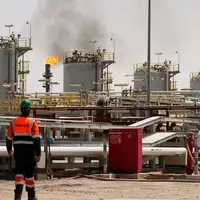
Natural gas exports reveal a similar contradiction. Despite domestic shortages that repeatedly force power plants and industries to reduce consumption during winter, Iran exported 15.4 bcm of natural gas last year.
The future of those exports is increasingly uncertain. Iran’s 25-year gas export agreement with Turkey expires this month, and unless renewed, Iraq will remain Tehran’s only major gas customer.
Even Iraq has faced repeated disruptions in Iranian gas and electricity supplies and is pursuing alternative sources through regional energy connections.
Renewable targets out of reach
The Energy Institute’s report also highlights Iran’s struggle to diversify its electricity sector.
The government planned to add between 5,000 and 7,000 megawatts of new solar and wind capacity during the past year. Only around 1,000 MW entered operation.
As a result, renewable energy has been left with a marginal role in Iran’s power mix despite the country’s significant potential. Iran’s only nuclear power plant, Bushehr, generated 5.4 TWh of electricity last year, accounting for just 1.3% of total generation.
Hydropower has declined even more sharply.
For a second consecutive year, severe drought reduced hydroelectric output, which fell 36% to just 12 TWh. The scale of the decline is striking: Iran generated around 34 TWh of hydropower in 2019 and 23 TWh in 2023.
With reservoir levels continuing to fall and water shortages expected to worsen, hydropower is likely to remain under pressure, increasing reliance on fossil-fuel power plants.
Greenhouse gas emissions rise
Another major finding of the report is the rapid rise in Iran’s greenhouse gas emissions.
For the first time, Iran overtook Japan to become the world’s fifth-largest greenhouse gas emitter, behind only China, the United States, India and Russia.
The comparison is striking. Germany and Turkey—countries with populations similar to Iran’s and economies roughly 18 times and 4.5 times larger, respectively—each emit only about half as much greenhouse gas as Iran.
Iran’s emissions exceeded one billion tonnes for the first time last year.
Chronic natural gas shortages have forced wider use of heavy fuel oil (mazut) in power plants and industrial facilities, while slow renewable deployment, falling hydropower output and limited nuclear capacity have kept Iran heavily dependent on carbon-intensive fuels.
The result is a deepening contradiction: even as Iran faces worsening energy shortages, its greenhouse gas emissions have risen by 31% since 2015, reflecting an increasingly inefficient and carbon-intensive energy system.