The talks ended with a joint statement from mediators Qatar and Pakistan announcing a roadmap toward a final agreement within 60 days, alongside plans for further technical negotiations.
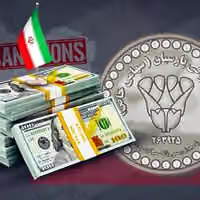
Iranian officials have also highlighted progress on the release of frozen assets and the possibility of expanded trade.
On Monday, Iran's central bank chief Abdolnasser Hemmati said funds released under the emerging agreement would not necessarily be limited to essential goods and could be used to purchase other non-sanctioned products.
Iranian newspapers largely divided along familiar lines, with hardline outlets portraying the talks as a test of national resolve and moderate publications emphasizing the potential economic benefits of diplomacy.
Economic outlets, by contrast, focused on questions of market stability, sanctions relief and the country's long-term structural problems.
The prominent economic daily Donyaye Eghtesad argued that "a 60-day diplomatic stopgap cannot solve deep-seated, post-war structural challenges."
Its editorial noted that "the diplomacy of the mattress in Switzerland cannot mask the reality that a 60-day roadmap is a temporary truce, not a permanent architecture."
It warned that markets had reacted with immediate volatility to the diplomatic developments, underscoring the risks of managing the economy through short-term political decisions.
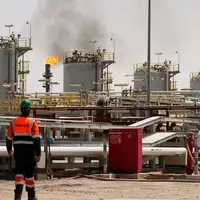
Oil-export waivers may provide temporary liquidity, the paper argued, but cannot by themselves resolve deeper structural problems or restore long-term confidence.
Resistance versus relief
The dominant hardline narrative remained one of resistance rather than compromise.
Kayhan argued that Iran's temporary reinstatement of restrictions on traffic through the Strait of Hormuz over the weekend had forced the United States "back to reality."
The newspaper wrote that the brief disruption "proved once again that the only language the Western front understands is the language of definitive leverage," adding that Parliament Speaker Mohammad Bagher Ghalibaf's reported walkout from negotiations demonstrated that Iran "does not negotiate under the shadow of social media threats."
Javan urged negotiators to remain cautious, describing the 60-day roadmap as "a tactical pause forced upon the Americans by the operational readiness of our armed forces."
But moderate voices offered a markedly different assessment.
Shargh described the outcome of the talks as "a fragile but essential window of relief," noting that concrete oil and petrochemical waivers had, for the first time, been linked to a diplomatic timetable.
At the same time, it cautioned that "the shadow of Donald Trump's erratic, transactional approach to international relations looms large," urging negotiators to secure technical and economic guarantees before the current opportunity closes.
Etemad focused on the domestic economy, arguing that Iran "desperately requires the structural stability these sanctions waivers promise" and portraying the developments in Switzerland as evidence that a pragmatic diplomatic framework remains viable.