Children in military-style uniforms and riot gear stand at a checkpoint in Iran. Image quality has been enhanced using AI.
Iranian authorities are continuing to use children in security-related activities, including checkpoints and participating in military-themed programs, according to messages sent by citizens to Iran International.
Accounts from several provinces described children and teenagers taking part in checkpoint operations and handling weapons at state-sponsored gatherings, despite international conventions that call on governments to keep minors away from military and security activities.
“Recession, inflation, poverty and hardship are rampant, and this is a sign of economic collapse,” a resident of Fereydunkenar, north of Iran, said. “They have set up checkpoints with children aged 10 to 12 and gather people around city squares with food and payments to show strength.”
A resident of Tehran province described what he said was the growing presence of minors at checkpoints in Shahriar, near Tehran.
A child dressed in a military-style uniform attends a public gathering in Iran.
“Almost all the checkpoints in Shahriar are run by children under 16 holding flashlights. It is truly absurd,” the resident wrote.
Military training at public gatherings
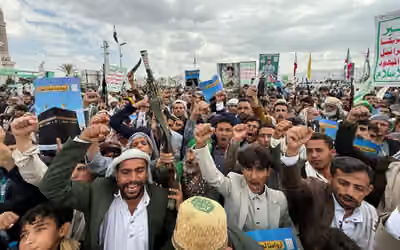
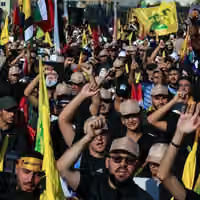
Citizens also described state-organized events where children were given access to firearms and military training activities.
A resident of Tehran said children had been deployed at checkpoints during public events and that authorities had also set up stations distributing tea and refreshments.
Similar accounts emerged from other parts of the country.
“At the entrance to Bastak in Hormozgan province, they hand rifles to children every night,” one resident said.
Another citizen from Kelardasht in Mazandaran province reported seeing children being taught how to handle weapons.
Long history of youth mobilization
The use of minors in military and security-related activities has a long history in the Islamic Republic.
During the Iran-Iraq War, thousands of teenagers were sent to the front lines, and many were killed in military operations. In the decades that followed, military-oriented instruction continued through school programs such as “Defensive Readiness” classes and student Basij activities.
File photo showing a child at the front line during the Iran-Iraq War.
Student Basij organizations and university Basij branches have for years operated within educational institutions, recruiting young people into structures linked to the security establishment.
Human rights advocates argue that linking formal education with military and paramilitary activities risks normalizing violence and militarization among children and adolescents.
Iran is a party to the United Nations Convention on the Rights of the Child, which requires states to protect children from involvement in military activities and provide a safe environment for their development and education.
Expansion of military imagery
The reports coincide with a broader increase in the public display of military equipment across Iran.
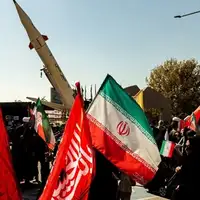
In recent months, images have circulated showing missiles, military hardware, Revolutionary Guards speedboats and light and heavy weapons displayed in public spaces, schools, state-organized gatherings and media programs.
Child rights advocates view such measures as part of a wider effort to normalize the presence of weapons in children's daily lives and to militarize public space.
The growing involvement of children and teenagers in government-organized activities, checkpoints and military programs may also reflect efforts to cultivate future generations of ideologically aligned supporters and security personnel, according to critics of the policy.