File photo by ISNA shows people attending Tehran's Design Week event
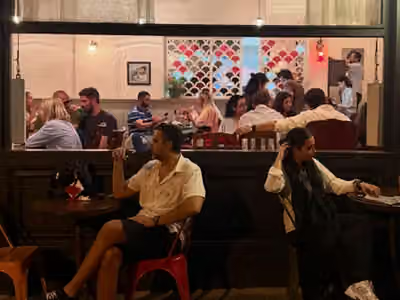
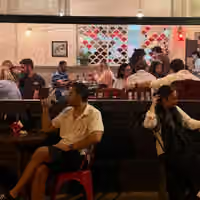
On Sanaei Street in central Tehran, young people spill onto pavements and crowd around tiny tables late into the evening, smoking and laughing as if the war never happened.
The street has become a kind of world within a world, a haven where people briefly lose sight of what is happening outside.
At times it almost feels normal—with one tiny but crucial difference: fewer phones are out. There is no internet to warrant the persistent scrolling.
The music is low. The coffees are overpriced. Couples flirt. Groups of teenagers debate politics and migration plans over cheesecake and iced americanos as if the country around them were not still carrying the shock of war.
But the conversations are different now.
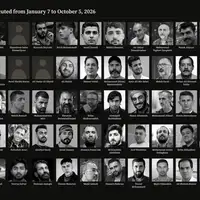
“We thought it would be over in a few days,” says Mani, 17, referring to the January protests that were brutally crushed. “It wasn’t.”
He says he was on the streets with many of his school friends but would think twice if there were another call to action.
“If the US and Israel couldn’t get rid of them, no one can,” Mani says. “I don’t think I’d go out again. I’ll leave Iran as soon as I can.”
That appeared to be the dominant mood among the Gen Zs I met in one cafe this week. One was my best friend’s daughter. The others were her friends.
Their worldview is hard to grasp and harder to explain. The best phrase I can find for it is “suspended expectation”: a belief that the Islamic Republic may eventually fall, paired with almost no confidence that they themselves can bring it down.
The January massacre and the war that followed appear to have fundamentally altered how many young opponents of the system think about change.
“I still like the Prince,” says Saba, another 17-year-old, referring to Iran’s most prominent opposition figure, Reza Pahlavi. “I think he’s a decent man. But I don’t think he can beat this seven-headed dragon.”
The contempt for Iran’s ruling elite is unmistakable. It may be the closest thing to a shared political feeling in the cafe.
Saba and her friends describe moments of fear during the bombings, but also flashes of exhilaration after reports that senior officials had been killed.
“We partied hard when Khamenei was killed,” says Tannaz, 19. “We danced through the night wearing headphones so no music could be heard from outside the apartment.”
File photo by ISNA shows a woman leaving a cafe in Tehran
Tannaz says she protested too and saw a friend badly injured with pellets. The crackdown, she says, “shattered” her emotionally.
“After January 10, I couldn’t get out of bed for days,” she says. “Then there was a ray of hope when Khamenei was killed. But not anymore. I really don’t know what’s going to happen to Iran. I’m trying to take it day by day until I can leave.”
That last sentiment may be the most common political position among parts of Tehran’s urban youth today: not revolution, not reform, but exit.
The war does not appear to have softened hostility toward the ruling system among these circles. If anything, it deepened it. But it also reinforced a conclusion many seem to have reached after January: that the state is far harsher and more durable than they once believed.
So they “chill,” as Mani puts it with a laugh. “What else can one do?”
They are still hanging out when I leave—no doubt drifting from politics to names and trends non-Gen Zs would struggle to decipher.
Tehran has regained its noise after the war. But beneath it sits a generation that no longer seems to believe history belongs to them.