In an audio message published on May 6, Ghalibaf laid out five requests directed at Iranians at home and abroad, framing austerity, solidarity and public mobilization as essential to surviving what he described as one of the most critical periods in Iran’s contemporary history.
The intervention marked Ghalibaf’s clearest political re-emergence after a period in which hardline factions appeared to sideline him despite his elevated wartime profile.
Ghalibaf rose to prominence during the 12-day war with Israel and the United States in 2025, when he was widely seen as one of slain supreme leader Ali Khamenei’s most trusted political figures.
After Khamenei’s death, he headed Iran’s delegation in the Islamabad talks with the United States — perhaps the clearest sign yet of his standing within the new order.
Repeated remarks by President Donald Trump hinting at regime change in Iran and suggesting that a figure from inside the system could ultimately emerge reinforced speculation abroad that Ghalibaf might become the face of a post-Khamenei transition.
But his position soon appeared less secure. Hardline critics accused him of weakness in negotiations and insufficient resistance to Western pressure, and for a period he largely retreated from public view before gradually re-emerging.
In the May 6 message, Ghalibaf urged Iranians to recognize that the country was engaged in “one of the biggest wars in Iran’s contemporary history,” arguing that enduring hardship was necessary to secure a strategic victory.
His central appeal focused on austerity, with Ghalibaf calling saving and reduced consumption “the missile the people can fire at the heart of the enemy.”
He also called for reviving mutual-aid networks similar to those formed during the COVID-19 pandemic and urged the Basij militia to return to what he described as its historic role as a neighborhood-based problem-solving force helping citizens navigate daily hardships.
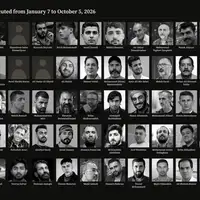
The appeal contrasted sharply with the Basij’s prominent role in suppressing protests during the 2022 Women, Life, Freedom movement and the unrest of January 2026.
Ghalibaf’s final request targeted Iranians professionals and experts abroad, whom he urged to contribute ideas and resources to help manage wartime economic pressures. He encouraged expatriates not to wait for official outreach but to “force officials” to use their capabilities.
The appeal quickly drew criticism from some Iranians overseas, with users on social media arguing authorities could not simultaneously seek help from expatriates while hardliners continued threatening confiscation of assets and punitive measures against critics abroad.
Ghalibaf’s remarks came amid broader calls from establishment figures for the government to repair its relationship with the public after months of unrest, war and economic pressure.
Former government spokesman Ali Rabiei and centrist politician Mohammad Atrianfar, both former intelligence officials, have argued in recent days that the state must first reconcile with its own citizens before it can stabilize the country externally.
In an interview with Khabar Online, Atrianfar warned that failing to respond seriously to public demands risked further erosion of public trust and legitimacy, pointing specifically to internet restrictions and communication controls as symbols of the widening gap between the state and society.
The comments reflect growing concern within parts of Iran’s political establishment that war, economic hardship and repeated crackdowns have deepened public alienation, forcing even longtime insiders to speak increasingly openly about the system’s legitimacy crisis.