Fuel prices are among the most politically volatile subjects in Iran. Even the suggestion of a change triggers anxiety across the political system.
As the popular news website Bartarinha warned this week: “The country’s fragile condition … is such that even raising the possibility of price increases can trigger a wave of apprehension and unpredictable reactions.”
The memory driving those fears is never far. Six years ago, a sudden overnight hike in gasoline prices—50% for subsidized fuel and far more above quota—sparked nationwide unrest within hours.
It was one of the fastest-spreading waves of dissent since 1979 and remains a raw national trauma.
“Those who witnessed Aban 98 can never laugh from the bottom of their hearts for the rest of their lives,” an X user going by his first name Hamed wrote, referring to the unrest by its name in the Persian calendar.
“We have just stayed alive to see the day of revenge.”
Risking reform
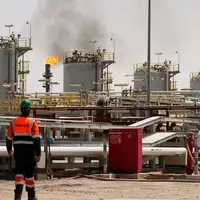
Economists say the current model is untenable: the real cost of imported gasoline has risen to 700,000 rials (around 65 cents) per liter, while subsidized retail prices remain just over 1 cent per liter.
The burden on the government’s budget is estimated at $6 billion this year.
President Masoud Pezeshkian has vowed to overhaul Iran’s vast and costly subsidy system, but the political danger is hard to ignore.
Authorities insist the monthly quotas (60 liters at 1.3 cents and 100 liters at double that) will remain unchanged, at least for now. Every statement from officials is carefully calibrated to reassure and to avoid even the perception of a looming price hike.
Shadow of Aban
The 2019 protests were not just about fuel; they exposed deeper anger over corruption, inequality and political inertia. But it was gasoline that lit the fuse.
The shock announcement came in the early hours of 15 November, without debate or warning. Within hours, demonstrations spread across dozens of cities, many in working-class communities hit hardest by inflation and sanctions.
Protesters quickly turned to broader political slogans, including calls for the overthrow of Supreme Leader Ali Khamenei.
The state responded with speed and unprecedented force. The country was cut off from the global internet for nearly a week, making independent reporting almost impossible. Security forces used live ammunition, often aimed at heads and torsos, according to rights groups.
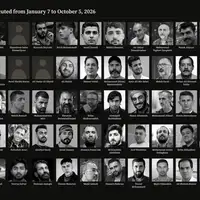
Amnesty International confirmed at least 321 deaths; Reuters, citing Iranian officials, reported about 1,500.
Thousands were arrested. Some—like Erfan Saberi-Movahed—disappeared and remain missing. At least two protesters, Kamran Rezaei and Hani Shahbazi, were later executed on charges of “waging war against God.”
For Iran’s political class, Aban 98 remains the ultimate cautionary tale, a potent reminder of how quickly economic frustration can ignite national revolt.
And that is why, six years later, even whispering about gasoline prices continues to terrify Tehran.