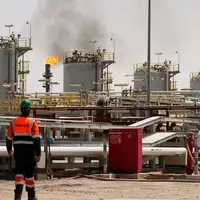
The country’s oil and gas condensate exports reached 1.65 mb/d in the first five months of 2024, according to oil analytics firm Vortexa, as the Middle East experienced its worst violence in decades, triggered by the October 7 attack on Israel.
Iran’s custom statistics also indicate increasing oil revenues by 34.8% year-on-year to $12 billion during the first three months of current Iranian fiscal year, started March 21.
According to the data intelligence firm, Kpler, Iran exported 1.194 mb/d of crude oil and gas condensate in spring 2023. Therefore, the country’s oil export increased 30% in the second quarter of 2024, while oil prices in international markets also rose about 7% during the mentioned period.
Iran had also about 240,000 barrels per day of mazut exports, remained almost unchanged year-on-year.
Vortexa says that an increase in Iran’s crude production, higher demand from China and a net increase in the size of Islamic Republic’s dark fleet have helped facilitate its oil export growth.
The United Against Nuclear Iran (UANI) has identified 383 vessels suspected to be part of a clandestine “ghost fleet.” So-called ghost ships are vessels that disguise their ownership and movements in order to facilitate breaches of sanctions.
Considering Iran's export volumes of oil, gas condensate, and mazut, along with higher prices in the international oil markets, the country’s revenues should have exceeded $14.5 billion in spring 2024. However, it only garnered $12 billion.
The 20% shortfall indicates Iran’s lower selling price to secure buyers who take a risk in the face of US sanctions. Chinese refineries are the main buyers of Iran’s illicit oil shipments that middlemen mix with cargos from other countries and unload in China as imports from Singapore and other sources.
Devaluation crisis
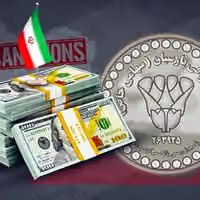
Despite 18.6% growth in oil and non-oil export revenues and only 1.4% increase in imports, Iran’s national currency, rial, has remained near its all-time lows after a 15-fold depreciation since 2018. The rial has been trading around 600,000 per US dollar for weeks, while in early 2018 it stood at around 40,000 to the dollar.
The ongoing presidential race had hurt the rial more. The prospect of Saeed Jalili, an ultra-hardliner winning the race in Iran's July 5 runoff, pushed Iranian currency down to around 620,000 per dollar since the result the first round of voting on June 28.
The snap election was called after former President Ebrahim Raisi and his entourage died in a mysterious helicopter crash in May.
During Raisi’s 3- year presidency, the rial has lost about 65% of its value despite ever-increasing oil exports. Inflation rose to almost 50% as prices of essential commodities such as food increased at even a faster pace. With every drop in the value of rial imports become more expensive and fuel higher inflation, and public dissatisfaction.
Already, market watchers in Iran complain of foreign currency shortages for importers of consumer and industrial goods. It is unclear why with more oil exports the country suffers from a lack of hard currencies. One explanation is that China does not necessarily pay cash for the oil and offers barter to Iran.