Iran Expecting Serious Energy Shortage In Winter

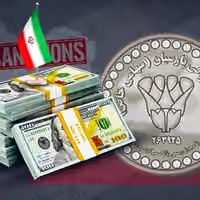
Iran is ready to solve the global energy crisis if the West lifts crude oil export sanctions, oil minister Javad Owji claimed on Monday, amid domestic shortage.
Iran is ready to solve the global energy crisis if the West lifts crude oil export sanctions, oil minister Javad Owji claimed on Monday, amid domestic shortage.
Owji’s claim came as Iran is bracing for a serious natural gas shortage this winter that will certainly lead to major energy shortage and also power cuts impacting both residential and industrial customers, similar to electricity shortages last winter.
Top officials in both the capital Tehran and the central city of Esfahan have warned of gas shortages in the fall and winter.
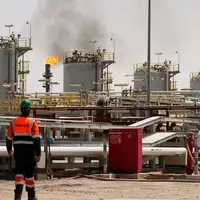
In absence of foreign investments of money and technology in Iran oil and natural gas sectors, production in South Pars gas fields in the Persian Gulf have not kept up with rising domestic demand and exports to Iraq.
Consumer demand for electricity has particularly increased because Iran offers the cheapest rates in the world. Consumers have little incentive to save energy, with electricity demand rising to 60,000 megawatts in summer and winter peak seasons.
Just in Esfahan, the general manager of the local gas company warned that daily shortages this winter will reach 25-million cubic meters of gas. Owji had warned in September that the country would face a 200-million cubic meter shortage this winter.
Reports in local media have said that fuel reserves at power stations is 30 percent less than required for winter months. Part of the problem is lack of tanker trucks to feed the power plants as many have become too old to operate. This is an indication of lack of investments as the country has been under UN or US sanctions during most of the past decade.
Thenatural gas shortage also has an environmental consequence, when Iranian power plants resort to burning mazut, a dirty oil biproduct. Last winter, smug and pollution covered all major Iranian cities as mazut was used to compensate for the gas shortage.
Iran is the Middle East’s largest electricity generator and the 14th largest globally. Ashley-Edison, A UK electricity leader estimates 80 percent of Iran’s output is from from fossil-fuel plants, 16 percent from hydroelectric plants, and 1.3 percent from Iran’s sole nuclear power plant at Bushehr. Tehran is in talks with Russia and South Korea over building eight atomic reactors.